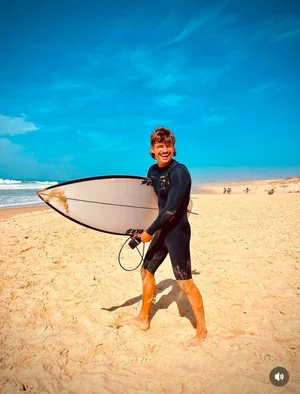
How to improve at surfing
We can all remember that first moment, that first time we stood up on a surfboard. It is a magical feeling that we all felt so intensely that it turned us into addicts of the healthiest drug on earth: surfing.
All of a sudden, your whole life starts revolving around catching waves without you even realizing it. Every vacation becomes a surf trip. You start buying expensive surf equipment as if you just won the lottery, and waking up early before work suddenly isn't that hard anymore because, let's be honest, who doesn't like to surf before work?
Surfing has this magical feeling to it. Although we often spend only a couple of minutes and sometimes way less actually standing on our boards during a session, we still dedicate so much time and effort to it that outsiders probably think we're completely crazy.
You spend years chasing that feeling of a good ride, but what exactly is it that gives you that feeling?
For most surfers, it is going fast, feeling the forces moving through your body during turns, surfing a wave to its full potential and being completely in sync with the wave. When you can generate speed, perform turns and surf a wave from start to finish, that amazing feeling starts flowing through your body.
In this article, you will learn how to improve your surfing so that getting your next hit of feeling stoked becomes a little bit easier.
There are four things you can do as a surfer that will directly impact your surfing in a positive way. The first one is developing a dedicated surf training practice.
Both scientific research and real-world examples from surfers of all ages and ability levels show the positive effects of surf training.
As a surf coach and personal trainer, I look at surfing a little differently. For me, it is still this magical thing that we all love, but from a professional standpoint it is also an incredibly intens sport.
Surfing is so physical that many people quit at a later age, and many never even start because they find it too exhausting. During a two-hour surf session, you can easily burn up to 1000 calories, especially in larger surf and powerful beach breaks. Duck diving and paddling alone are intense, let alone doing that while waves are constantly breaking on your head.
I don't want to sound cocky, but surfers are pretty badass if you look at the physical and mental demands of our sport.
The better prepared you are physically before entering the water, the better your surf session will be.
To give you an example, I have coached many fit surfers and many not-so-fit surfers. Watching those surfers in exactly the same conditions tells the story better than anything else.
A fit surfer will paddle back after catching a wave and immediately be ready to catch another one. The less fit surfer takes much longer to get back to the lineup and often needs several minutes to recover before being able to go for the next wave, wasting opportunities in the process.
Once on the wave, the difference becomes even more obvious. The fit surfer is mobile, explosive and strong. You can see it in the surfing. The less fit surfer is slower on the takeoff, struggles to generate speed when needed and often looks stiff during turns.
Surfing is a sport, and physical fitness forms the foundation of performance.
If you would like to learn more about surf-specific training, check out my previous blog about How To Train Like A Surfer.

The next thing that will improve your surfing is increasing your knowledge about surfing. You can't really improve at something if you don't know what it is that you are actually trying to improve.
This starts with talking to your surf friends about equipment, technique and different surf destinations. We all have a professional surfer we look up to and we all have that one maneuver in our head that we would love to be able to do. Being able to perform that maneuver starts with collecting the knowledge.
Talk to your surf friends who can already do that maneuver and ask them how they do it. Even better, hire a surf coach to explain it to you. Just like in snowboarding, football or any other sport you can think of, people take lessons or hire a coach to help them improve. Surfing is no different.
Luckily, there are now plenty of surf coaches who can help you better understand how a maneuver works and how to learn it.
In surfing there is also more than just body mechanics. There is board design as well, and as a progressing surfer it is incredibly important to understand what you are riding. Every board likes a different wave and every surfer likes and needs a different type of board.
Having the knowledge and understanding to choose the right board for the conditions you are about to surf, your ability level and your surfing goals is extremely important. A board and the fins underneath it can completely change the way you surf.
I always hear intermediate surfers say that they don't really feel the difference between fins. But just because you don't feel the difference doesn't mean there isn't one. Not feeling the difference often says more about your ability to reflect on your own surfing than it does about the fins themselves.
Both learning how to perform different maneuvers and understanding board design are essential if you want to improve your surfing.
If you need help understanding board design, wave mechanics, surfing maneuvers and everything that comes with improving your surfing technique, check out The Surf Technique Blueprint.
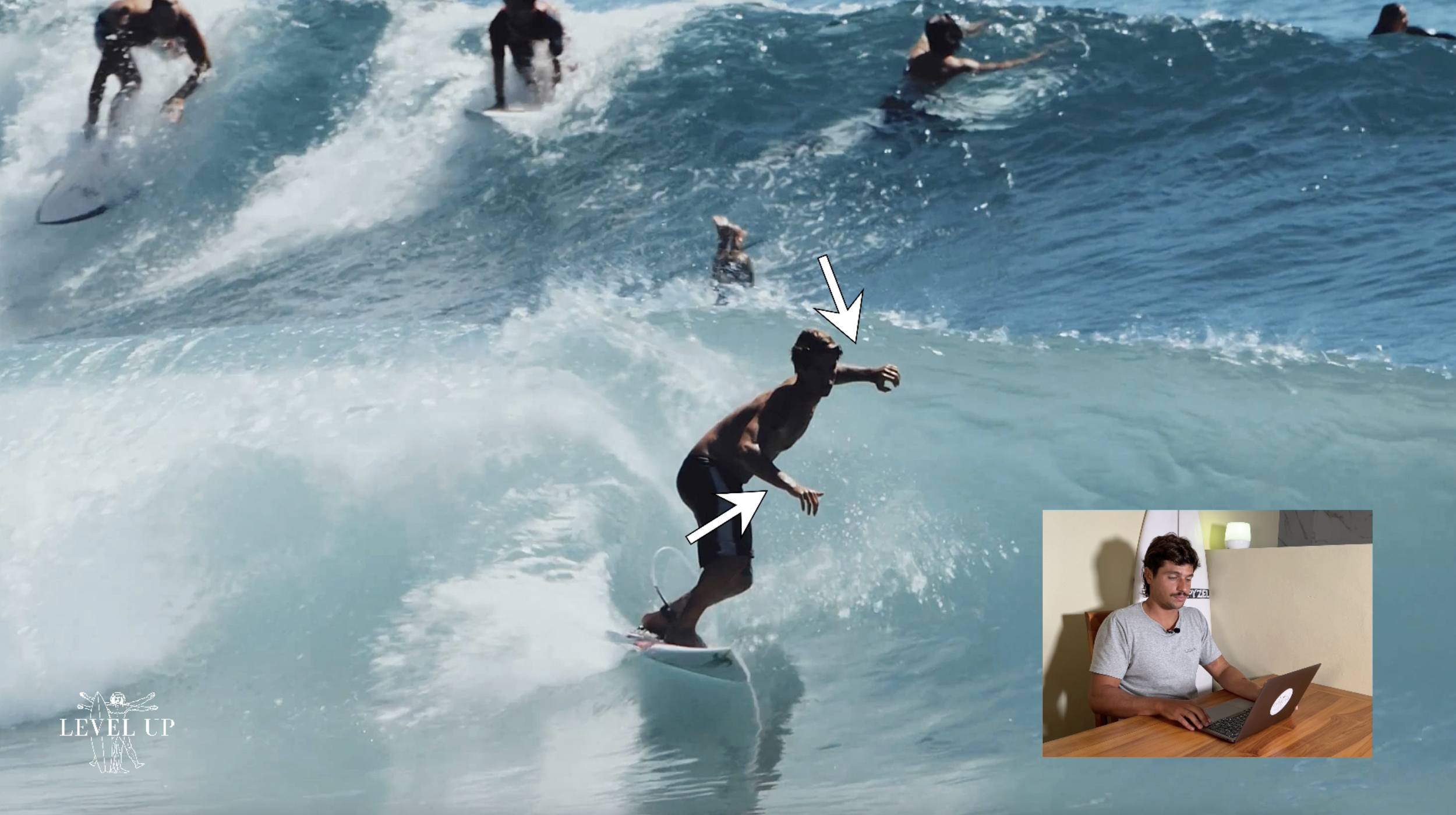
One of the secrets professional surfers have been using for decades to improve their surfing, and something the average surfer still doesn't take enough advantage of, is surf video analysis.
Especially today, with webcams on nearly every beach and smartphones in almost every pocket, surf video analysis is still massively underused.
Before you start analyzing your surfing, it is important that you first understand what good surf technique actually looks like. Surf video analysis is simply the process of filming yourself surfing and then reviewing that footage to see what you are doing right, what you are doing wrong and what you need to change.
This is exactly what professional surfers have been doing since they were little groms.
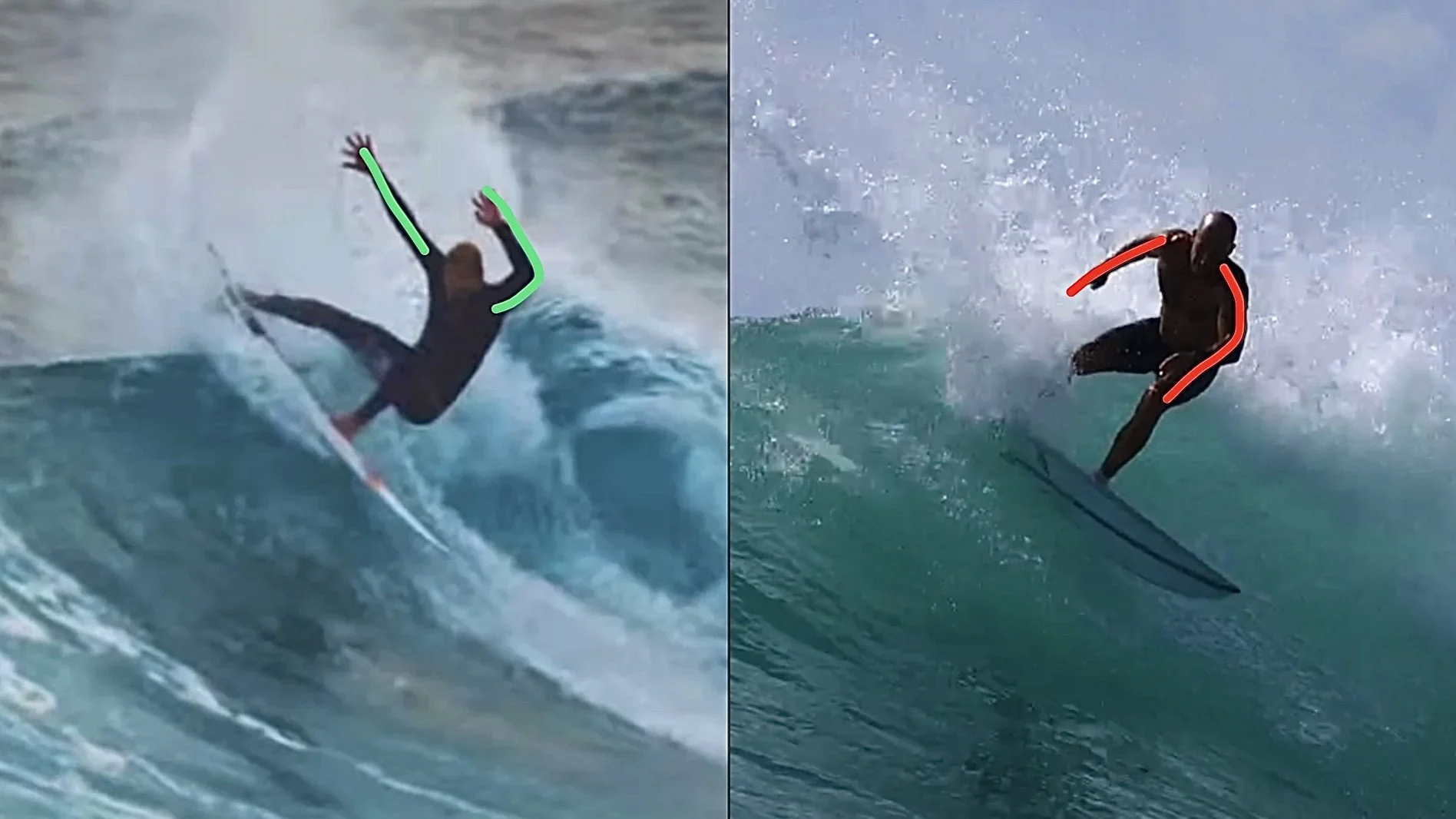
The power of surf video analysis lies in its ability to reveal mistakes that keep showing up over and over again. We often refer to these as bad habits.
Some surfers reading this will immediately know what I mean. A classic example is the back arm that keeps swinging behind the body as if a swarm of wasps is chasing you, instead of staying relaxed and controlled close to your body.
Many surfers don't even realize they are making these movements until they see themselves surf on video.
Again, before you can fix bad technique, you first need to understand what good technique actually looks like.
Once you understand good technique, start collecting footage of yourself and begin analyzing your surfing.
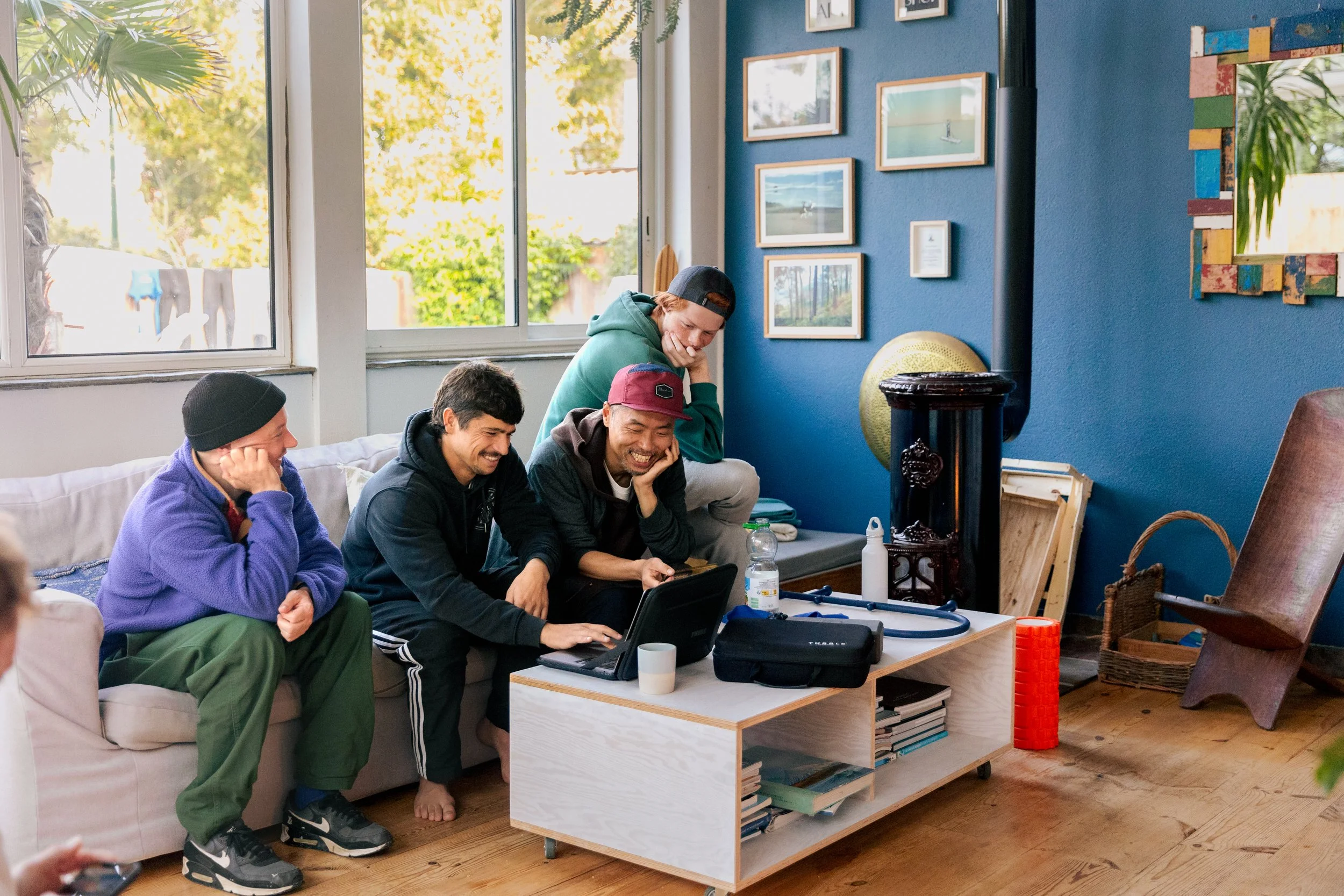
Now how do you get surf clips?
Start by looking your girlfriend or boyfriend straight in the eyes. Then kindly ask, with your best puppy eyes, if they would be willing to film a few of your surf sessions. If they say no, offer them a massage in return. Works 99% of the time.
If you are single, or part of the unlucky 1%, ask your surf friends to film a few of your waves. You film them and they film you. Simple as that.
Even a smartphone provides more than enough video quality for useful surf video analysis.
Now what if you manage to get clips but still can't see what you are doing wrong?
Hire a surf coach.
With Level Up, I offer Online Surf Video Analysis sessions. You send me your surf clips and I analyze every wave. In return, you receive a complete video report explaining what you are doing well, what needs improvement and exactly what you should focus on during your next surf sessions.
The fourth and final thing you should do to improve your surfing is something you are probably already doing: going on surf trips and trying to surf as much as possible throughout the year.
If possible, join surf coaching trips. During these trips you receive coaching during every surf session, which can significantly accelerate your progress.
It is no secret that if you want to get good at surfing, you have to surf. The more you surf, the better. If you are lucky enough to live near the beach, then you should take advantage of it and surf as much as you can.
The techniques and skills involved in surfing can only be developed in actual surf conditions. The more time you spend in the water, the more opportunities you have to improve.
However, surfing frequently does not mean you can ignore the other things discussed in this article.
Even if you surf a lot, you should still do your surf workouts to strengthen your core, improve mobility, build a solid strength foundation and keep your body balanced. You should still continue learning about surfing technique and the technical side of surfing so that you can get the most out of your time in the water.
For every surfer, whether you surf a lot or only occasionally, I still recommend seeking out surf coaching. The more the better, but even if you only get coaching once or twice a year, you will still receive valuable guidance and specific things to work on throughout the rest of the year.
The more you surf, the better.
But what if you are landlocked?
Well, I am sorry to tell you, but then you are pretty much screwed.
I come from Belgium myself, so I know all about not being able to surf. We have a small sea, but very often it stays flat for long periods of time. Just like a skier who doesn't live near the mountains, landlocked surfers are at a disadvantage.
You can try alternative sports such as skating, but be careful. Repetitively practicing on a surf skate can sometimes create bad habits that are difficult to unlearn in the water.
The technique of surfing is essentially an emerging movement solution to a specific problem within a specific environment. Remove the environment and you inevitably change the movement patterns you are developing.
To train surf technique, you need waves. There is simply no way around it.
What landlocked surfers and even professional surfers between swells and surf trips focus on is making sure their body is physically ready for surfing when the waves finally arrive.
Make sure your fitness is on point. Make sure your equipment is ready. Then, when the waves do arrive, surf as much as you possibly can.
Reschedule work if possible. Organize your family life in a way that allows you to spend more time in the water. Fully send it when the opportunity is finally there.
Just like that skier who doesn't live near the mountains, it isn't ideal because you can't surf as often as you would like. But at least when the waves arrive, you are physically and mentally prepared to make the most out of your time in the water.
If you feel like you have been stuck at the same level for too long, or if you simply want to look forward to surfing every single day, make sure to check out one of our Surf Coaching Trips.
These were the four things you can do to improve your surfing.
Thank you for reading and see you in the lineup!