5 things every surfer should be doing to improve
When you are reading this, chances are high that you are just like me: a surfer. Besides being a surfer myself, I am also a surf coach who helps surfers improve for a living. Because my job is all about problem-solving and helping people improve, I look at surfing differently than the average free surfer.
As coaches, we try to find ways to help surfers break through plateaus and get rid of bad habits. With this series of blog posts, I am sharing different topics around surfing that have helped me and the people I coach improve. In today’s blog post, I will share 5 things that I believe every surfer who wants to improve should be doing.
Thank you for being here, and enjoy reading.
Surfing as much as you can
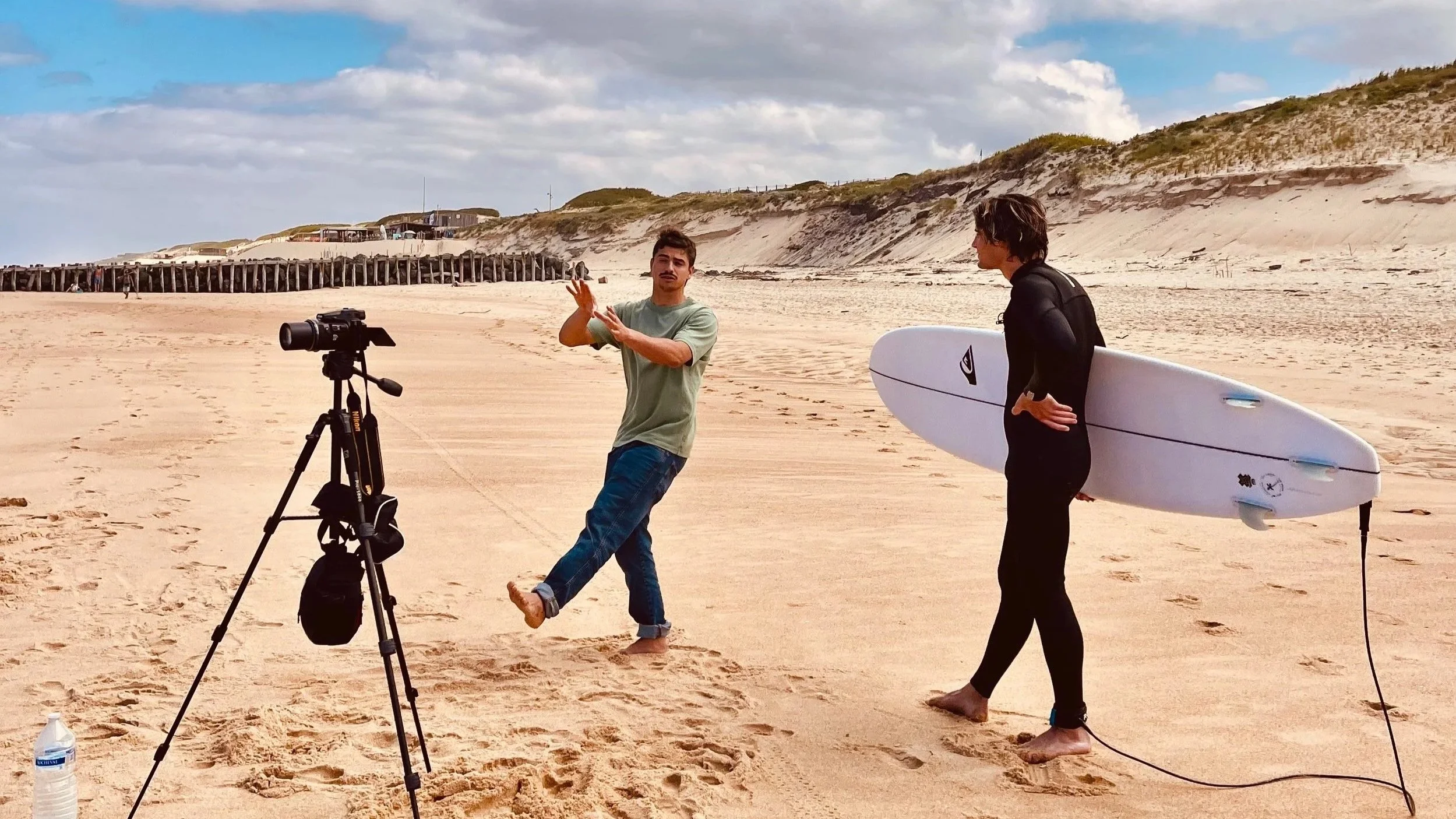
There is no way around it: if you want to improve at surfing, you have to surf. I myself am a surfer who grew up in Belgium, which is not the easiest place for surfing.
During summer, we often have flat spells that last for months. During winter, when you can surf more frequently, the conditions are usually onshore, and during the peak of winter, the water temperature is around 5 degrees Celsius. To make it even less inviting, we have some of the strongest currents in the world because Belgium’s coastline lies inside the English Channel in the North Sea.
Sometimes the currents are so strong that it becomes impossible to paddle against them and stay in the same spot. This can result in having to leave the water without catching a single wave before getting pushed against the jetty. For reference, our entire coastline has jetties to protect the beaches from erosion, so they are something to be aware of when surfing in heavy currents.
The point I am trying to make here is that, no matter the circumstances, you should go surfing. Don’t try to find 100 different excuses, just get out there. If you want to improve, you have to surf, even on the “bad days”.
Surfing in these harsh conditions has taught me, and all my Belgian surf friends, more than surfing in easy tropical conditions ever could. When you can surf messy conditions, surfing the good days becomes so much easier.
So the first thing you should be doing if you want to improve is surfing whenever you can, even when the conditions aren’t inviting. It has worked for me, my surf friends back home, and everyone else who I coach.
Get out there and surf everything if you want to become a better surfer!
2. Physical training
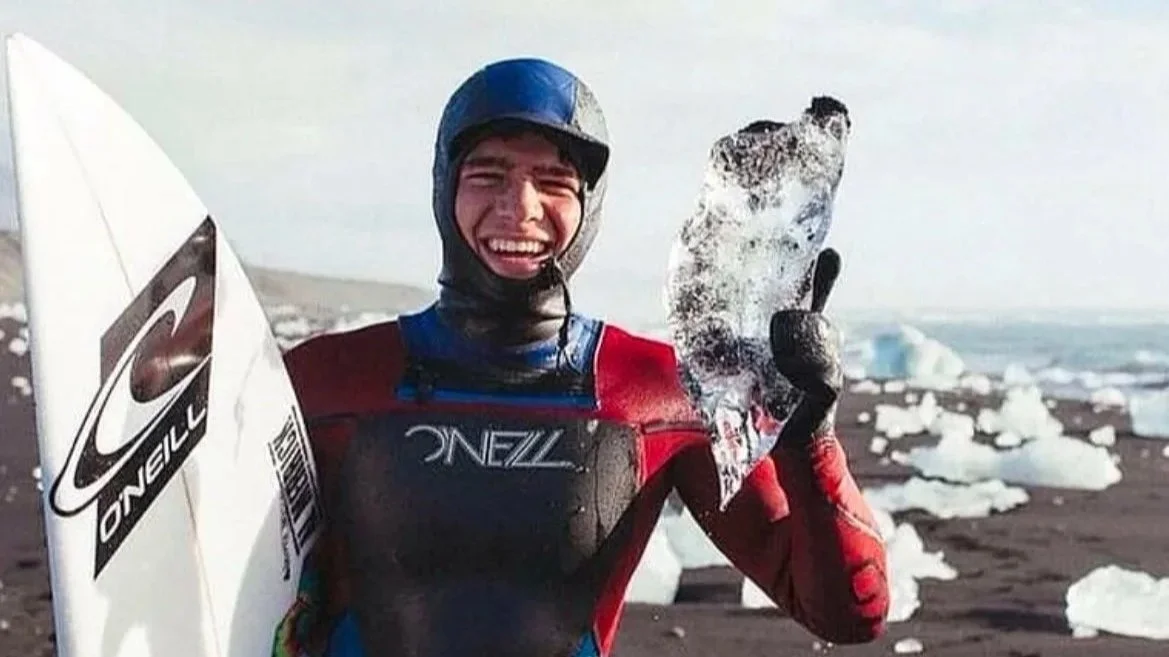
There is no way around it: surfing is a sport. It is a physical activity that significantly challenges your physical capabilities across different areas of our physiology. The fitter you are when you enter the ocean, the higher your chances of having a great time in the water.
Of course, technique, ocean awareness, and other non-physical aspects also play a huge role, but you won’t go far with a boat full of holes. If you improve your physical fitness (the holes in the boat) specifically for surfing, your sessions will become much more enjoyable.
For people who surf every day, training should focus more on mobility, corrective exercises, and strength training to increase power output and prevent injury. For people who don’t surf very often and have large gaps between surf sessions or surf trips, physical training should prepare the body for the demands of surfing. The cardiovascular system needs to be trained more, and the joints need to stay prepared for the odd positions surfing often puts us through.
Whether you are a surfer who surfs every day or someone who only surfs twice a year for two weeks on a surf trip, physical training will help you surf longer, catch more waves, stay pain-free, and improve your overall performance in the water.
You don’t have to become a training monster who spends hours in the gym 5 days a week. Just 15 to 45 minutes can already make a huge difference, and even 1 training session per week is a massive improvement compared to 0 sessions per week.
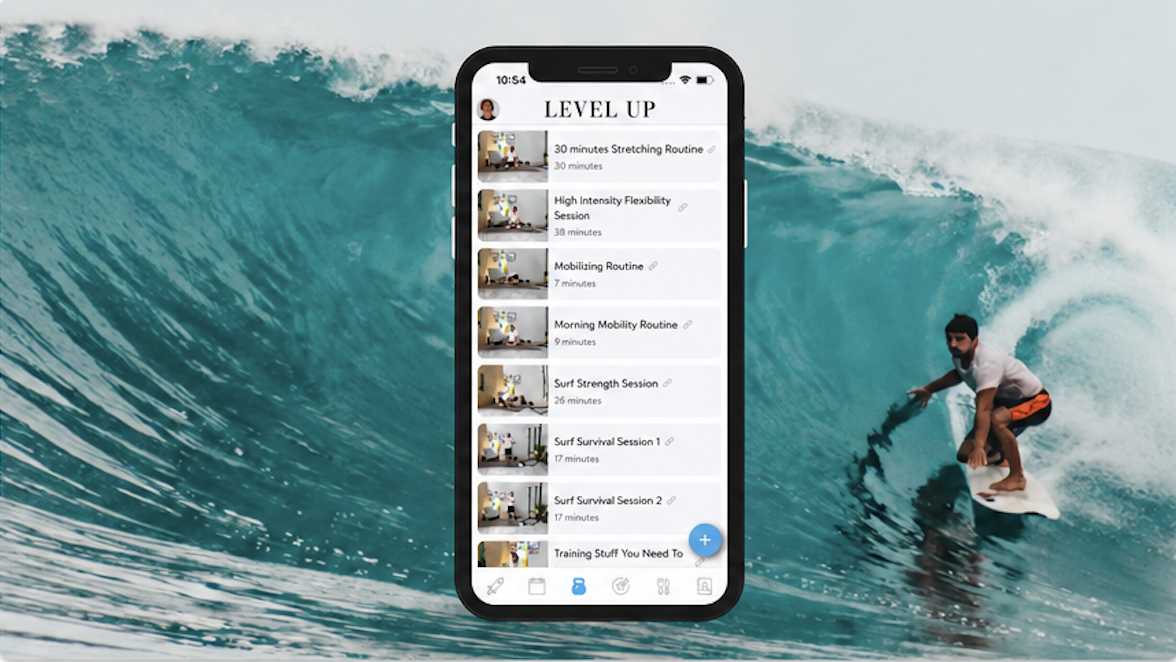
I created the Level Up Surf Training Program based on what surfers actually need and the busy lives we all live these days. The workouts are easy to follow, require little to no equipment, and can be done from anywhere.
If you are interested in starting a training routine to support your surfing, click HERE to check out the available training options. No matter your age or skill level, it is never too late to start, and you can always benefit from these exercises.
3. Investing in good equipment
What you are riding and wearing during a surf session absolutely matters. Having a wetsuit, board shorts, or bikini that doesn’t fit well or causes rashes can definitely negatively affect your performance in the water. Getting the right board for your current skill level and the conditions you will be surfing in is also extremely important.
There is a reason why more advanced surfers have large quivers with different types of boards. Advanced surfers can ride different types of waves and they can also feel the difference between riding the right board for the day and riding the wrong one.
As a surf coach, I want you to understand that just because you are a beginner surfer and maybe don’t feel the difference between different boards yet, it doesn’t mean there is no difference in your performance. You might not have developed the skill to feel these differences yet, but they are definitely there and can be noticed by someone with more experience.
You are a surfer, so try to invest in good equipment. Unfortunately, surfing is an expensive sport, but luckily there are plenty of second-hand options available, both online and in surf shops, where you can buy quality surf equipment at a more affordable price.
It is also always a good idea to try different equipment from friends or other surfers so you can discover what works best for you and learn what you personally prefer.

4. Educating yourself
Surfing is one of the most difficult sports in the world. We are literally built to function on land, but somehow there is this awesome group of people who fell in love with riding waves on a piece of foam.
There are so many variables in surfing, and the playing field where we perform is never the same. Some of these variables are wind, bottom contours, tidal changes, and currents. The good thing is that these are variables you can study and learn about.
Every surf spot you will ever surf has these factors that can make or break your session. If you don’t understand the current, you might end up on the rocks. If you don’t understand the shape of the reef, you might end up with a new tattoo. You get the point.
The more knowledge you have about the surf spot you are surfing, the better prepared you will be.
Besides having a difficult playing field where we practice, our sport is also extremely technical. I often refer to surfers as water gymnasts. We need to control our bodies incredibly well, but unlike gymnasts, we also have to read an environment that is constantly changing.
For every manoeuvre you can perform in surfing, there are specific techniques needed to execute it correctly. Understanding these techniques is the first step towards learning a new manoeuvre, so I highly encourage you to educate yourself.
You can take surf lessons with a coach or ask more advanced surf friends for advice. If you want to learn all the techniques of surfing online, I also highly encourage you to join my online surf technique course called The Surf Technique Blueprint.
In this online video course, I explain exactly how you can improve your surfing at your own pace by learning the right techniques that actually work in the surf.
Gathering knowledge is the beginning of progression, and I highly encourage every surfer to educate themselves about everything related to surfing.

5. Going on surf trips
Last but not least, every surfer should go on surf trips. The more, the better!
If you live in a surf country, you don’t even have to travel far. When you have a holiday, go surfing! If you have a partner or family who doesn’t surf, there are plenty of ways to combine surfing with other enjoyable activities.
Luckily for us surfers, many of the destinations we travel to have beautiful beaches and tropical weather, so bringing a partner or family along is often not too difficult to convince them of.
Having multiple days back-to-back to practise your surfing is incredibly valuable when you are trying to improve. Getting the opportunity to surf multiple sessions every day for an entire week can really boost your level.
So next time you are booking another surf trip and your partner gets mad at you, just tell them it was my idea, haha.
Thank you for reading, and see you in the next blog!